Why the Estrobolome Belongs in the HRT Conversation

Hormone replacement therapy replaces what the ovaries are no longer reliably producing. But once oestrogen is in the body — whether made endogenously or delivered via patch, gel, or tablet — its fate is decided downstream, in the liver and the gut. 

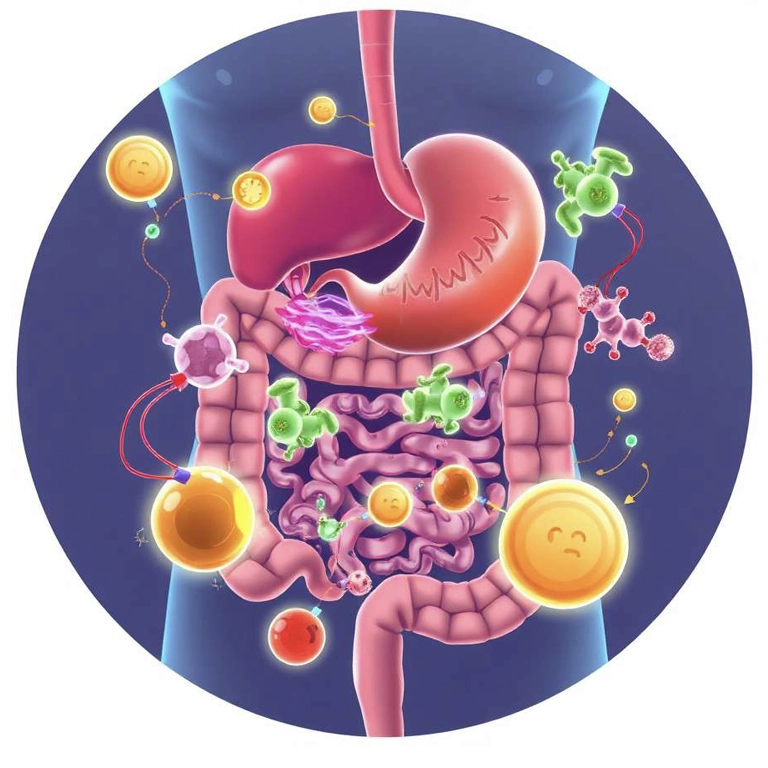
This is where the estrobolome comes in: the collection of gut bacteria and their enzymes (chiefly β-glucuronidase and various sulfatases) that determine whether conjugated, “packaged for excretion” oestrogen gets eliminated as intended, or is deconjugated and reabsorbed back into circulation via enterohepatic recirculation.

Why this matters clinically for a woman starting or already on HRT:

  • Recirculation changes the effective dose. If gut bacterial β-glucuronidase activity is high, a portion of the oestrogen the liver has already conjugated for excretion gets unpacked again in the colon and reabsorbed. This means two women on an identical HRT dose can end up with meaningfully different systemic oestrogen exposure depending on their microbiome’s enzymatic activity — one of the mechanistic reasons symptom response and side-effect profiles vary so much between patients on paper-identical protocols.
  • Dysbiosis and menopause status appear to interact bidirectionally. Falling oestrogen during perimenopause is associated with reduced microbial diversity, and reduced diversity is in turn associated with less efficient oestrogen regulation — a feedback loop that HRT alone doesn’t necessarily interrupt if the gut terrain isn’t addressed.
  • HRT itself reshapes the gut microbiome — evidence suggests toward a more favourable pattern. Human data (albeit in premature ovarian insufficiency) shows HRT reversing microbiome and metabolome alterations seen in oestrogen-deficient states, alongside a fall in a genus (Eggerthella) linked to fibrotic and inflammatory metabolic signatures. This is reassuring, but it also means the gut is an active, moving variable throughout treatment — not a fixed backdrop.
  • Long-term co-medications common in this population (PPIs, statins, antibiotics, metformin) can shift GUS and sulfatase activity independently of HRT, which is one more reason a woman’s estrobolome status shouldn’t be assumed stable over the years she may be on treatment.

None of this argues against HRT — the physiological and quality-of-life case for it is well established. It argues for not treating the gut as irrelevant to how well HRT will work for a given woman, particularly for those with a personal or family history that makes oestrogen metabolite balance (not just oestrogen quantity) clinically relevant — history of oestrogen-sensitive conditions, unexplained non-response to a previously well-tolerated protocol, or persistent bloating, constipation, or GI symptoms alongside hormonal ones.

2. What a GI-MAP adds, and which markers matter most

A GI-MAP (or comparable comprehensive stool PCR panel) doesn’t replace hormone testing — it answers a different, complementary question: is the gut terrain likely to support efficient oestrogen clearance, or to work against it?

The markers most relevant to this specific question:

MarkerWhat it’s telling you
β-glucuronidaseThe headline estrobolome marker. Elevated levels suggest greater deconjugation and reabsorption of oestrogen (and other phase II–conjugated compounds) from the gut back into circulation. Very low levels aren’t automatically “better” either — they reflect a different, and not necessarily favourable, microbial metabolic pattern, and are interpreted alongside diversity and dysbiosis markers rather than in isolation.
Dysbiosis index / overall bacterial diversityLower diversity has been associated with less efficient oestrogen regulation and higher inflammatory load — relevant context for why β-glucuronidase is running high or low in a given individual.
Opportunistic or pathogenic overgrowth (e.g. Proteobacteria, specific pathobionts)Overgrowth patterns are frequently the upstream driver of elevated β-glucuronidase; addressing the overgrowth is often more productive than targeting the enzyme in isolation.
Pancreatic elastase / short-chain fatty acids / inflammatory markers (calprotectin, secretory IgA)Digestive and absorptive capacity and gut inflammatory tone shape the whole detoxification pathway upstream of the estrobolome specifically — a woman with poor SCFA production or high inflammatory markers has a compromised terrain regardless of what β-glucuronidase reads on the day.

Where useful, this is paired with a urinary oestrogen metabolite panel (2-OH, 4-OH, 16α-OH estrone and their ratios) to see the other half of the picture: not just how much oestrogen is being recirculated, but which metabolites are being formed. 2-OH is the comparatively benign pathway; 4-OH and 16α-OH metabolites carry more persistent oestrogenic and, in the case of 4-OH, potentially genotoxic activity when unchecked — so a woman with a high 16α-OH or 4-OH skew and elevated β-glucuronidase has two compounding reasons for careful, individualised protocol design rather than a standard dose-and-monitor approach.

3. Why this supports — rather than complicates — the decision

Framed for a client, the logic is simple: HRT decides what goes in; the gut and liver decide what happens to it once it’s there. Testing the estrobolome before or early into treatment gives a woman and her practitioner:

  • A baseline explanation if symptom response is inconsistent with dose
  • A rationale for targeted gut support (fibre, specific probiotic strains, calcium-D-glucarate, addressing overgrowth) that can improve HRT tolerability and efficacy without changing the hormone dose itself
  • Reassurance, where markers are favourable, that the gut isn’t working against the treatment
  • An evidence-based answer for women who are hesitant about HRT specifically because of oestrogen-metabolite concerns — the conversation shifts from “yes/no to HRT” to “how do we make sure your body clears and balances what you’re taking”

References

  1. Frontiers in Endocrinology. The impact of estrogen status on the gut microbiome: a systematic review and meta-analysis (2026).
  2. Diet, the Gut Microbiome, and Estrogen Physiology: A Review in Menopausal Health and Interventions. PMC, 2026.
  3. Impact of long-term medication on estrobolome-associated β-glucuronidase and sulfatase activities: Implications for estrogen homeostasis in postmenopausal women. ScienceDirect, 2026.
  4. The estrobolome: Estrogen-metabolizing pathways of the gut microbiome and their relation to breast cancer. International Journal of Cancer / PMC, 2026.
  5. Jiang L, et al. Hormone Replacement Therapy Reverses Gut Microbiome and Serum Metabolome Alterations in Premature Ovarian Insufficiency. Frontiers in Endocrinology, 2021.
  6. Metagenics Institute. Estrogen Metabolism Science Review — CYP450 hydroxylation pathways (2-OH, 4-OH, 16α-OH) and downstream methylation/detoxification.

Note: much of the estrobolome literature is emerging and mechanistic rather than settled clinical consensus — clinically appropriate reference ranges for β-glucuronidase in particular have not yet been formally established. Findings are presented here as rationale for individualised assessment, not as diagnostic thresholds.

If you’re weighing up HRT — or already on it and not getting the results you expected — don’t stop at the hormone panel. A GI-MAP alongside your hormone testing can show whether your gut is helping or working against your treatment, and gives us a concrete, personalised place to start.

  Book a consultation with SomaOmnia to add estrobolome and gut terrain testing to your HRT plan.

GI-MAP test and DUTCH TEST/ dry urine / are available with SomaOmina.

BOOK HERE

Menopause and Intimate Health: What’s Really Going On Down There (and What Can Help)”

Hot flushes and mood swings get all the attention when we talk about menopause. But for many women, the changes that affect quality of life most are the ones nobody talks about at dinner parties — vaginal dryness, recurrent bacterial vaginosis (BV), and urinary tract infections (UTIs).

These fall under what’s clinically termed Genitourinary Syndrome of Menopause (GSM) — and they’re not something you simply have to live with.

Why menopause affects this area of the body?

Oestrogen does more than regulate your cycle. It keeps the vaginal tissue thick, elastic, and well-lubricated, and it feeds the “good” bacteria (Lactobacillus species) that keep the vaginal environment acidic and protected. As oestrogen falls during perimenopause and menopause, three things tend to happen together:

Vaginal tissue thins and loses moisture and elasticity

Vaginal pH rises, allowing less-friendly bacteria to take hold

Urinary tract tissue becomes more vulnerable to infection

Here’s how these three common complaints show up — and where targeted support can help.

1. Vaginal dryness and discomfort

This is often the first sign of GSM: dryness, itching, burning, or discomfort during intimacy. It’s caused directly by the thinning of vaginal tissue as oestrogen declines.

What can help: Local support — such as a vaginal pessary formulated for comfort and freshness — works at the site where it’s needed, rather than relying on what’s circulating in the bloodstream. Alongside this, supporting the vaginal microbiome (see below) helps maintain a healthier tissue environment overall.

2. Bacterial vaginosis (BV) and pH imbalance

Without enough oestrogen, Lactobacillus bacteria lose the fuel (glycogen) they need to keep vaginal pH acidic. When pH rises, other bacteria can overgrow — leading to the odour, discharge, and irritation associated with BV.

What can help: A targeted probiotic containing clinically-researched live bacteria strains can support recolonisation of the vagina with the “good” bacteria it’s lost, helping the environment return to its naturally protective, acidic state.

3. Recurrent UTIs

Less talked about, but incredibly common: the urethra and bladder are also affected by falling oestrogen, making the urinary tract more susceptible to infection. Many women are told this is “just menopause” without being offered anything beyond repeat antibiotics.

What can help: Cranberry extract has a well-known mechanism here — it’s associated with reducing bacteria’s ability to adhere to the urinary tract wall, which is a different action from probiotic strains and can be a useful complementary layer of support.

A note on B6 and hormonal balance

Alongside gut and vaginal microbiome support, vitamin B6 plays a role in normal hormone regulation — a helpful piece of the puzzle for women navigating hormonal symptoms more broadly, not just genitourinary ones.

The bottom line

Vaginal dryness, BV, and recurrent UTIs are three of the most common — and most under-discussed — symptoms of menopause. They’re driven by the same underlying hormonal shift, which means a joined-up approach (local comfort support + microbiome support) often works better than treating each symptom in isolation.

This information is educational and not a substitute for medical advice. Supplements and pessaries designed for comfort and freshness can offer valuable supportive care, but if symptoms are severe, persistent, or you suspect an active infection, please see your GP — BV and UTIs sometimes require clinical diagnosis and treatment.

Written by Yelena Paul, SomaOmnia — supporting women through midlife hormonal health.

Importance of Adrenal Health and Stable Cortisol Levels

Supporting adrenal health during menopause is crucial because the adrenal glands assume a primary role in hormone production and overall well-being as ovarian function declines.

1. Hormone Regulation

During menopause, the ovaries decrease their production of estrogen and progesterone. The adrenal glands compensate by producing hormones like DHEA and cortisol, which are vital for libido and hormonal balance.

2. Stress Response

The adrenal glands manage the body’s response to stress. Chronic stress can lead to elevated cortisol, potentially causing adrenal fatigue. High cortisol levels can disrupt testosterone balance, leading to decreased energy and libido.

3. Overall Well-being

Stable cortisol levels promote mental clarity, energy, and emotional stability, helping to combat menopause-related anxiety and depression.

Impact on Libido and Testosterone

The decline in estrogen during menopause often impacts sexual function. Because the adrenal glands produce testosterone—a key driver of libido—compromised adrenal function can lead to a drop in testosterone levels and a further decline in sexual drive.

Foods That Support Adrenal Health

– Leafy Greens: Spinach and kale are rich in magnesium, which helps modulate cortisol.

– Avocados: High in healthy fats essential for hormone production.

– Berries: Antioxidants in berries help combat oxidative stress.

Supplements for Adrenal Health

– Ashwagandha: An adaptogen that helps the body manage stress.

– Vitamin C: Supports cortisol production and adrenal function.

– B-complex Vitamins: Essential for energy and managing hormonal fluctuations.

References

1. McPherson, M. (2020). Adrenal Health and its impact during menopause. Journal of Women’s Health.

2. Manson, J. E., & Stoney, C. M. (2021). Menopause, Hormones, and Heart Disease. Harvard Heart Letter.

3. Cornell, C. (2019). The Role of Nutrition in Adrenal Health During Menopause. Nutritional Health Journal.

Maintaining adrenal health is pivotal during menopause to ensure proper cortisol regulation, healthy libido, and hormonal balance.

Stress, Energy Support Testing

The Mito Stress Test, which assesses mitochondrial function and oxidative stress, can significantly enhance  critical insights into your health. 

Here’s how it can support you effectively:

Understanding Mitochondrial Health:

 1.  Mitochondrial Function :

Mitochondria are crucial for energy production in cells. Poor mitochondrial function is linked to various health issues, including fatigue, metabolic disorders, and chronic diseases.

2.  Oxidative Stress :

The test measures oxidative stress levels, which can cause cellular damage and contribute to aging and chronic illnesses.

️Understanding mitochondrial function allows to create tailored wellness plans that address  unique energy levels and health conditions for you.

 3.  Identifying Underlying Issues :

The Mito Stress Test can help identify underlying issues contributing to fatigue, muscle weakness, and cognitive difficulties, enabling proactive treatment strategies.

3.  Nutritional Guidance :

Based on test results,  specific supplements, dietary changes, and lifestyle modifications aimed at improving mitochondrial health may be recommended accordingly. 

Regular testing can help track improvements in mitochondrial function and oxidative stress levels, allowing for adjustments in treatment as needed.

Book your test here – www.somaomnia.co.uk/contact

Consultation is essential. 

From Athletic Legacy to Holistic Healing

In a world saturated with conflicting wellness advice and quick-fix solutions, Yelena Paul stands apart as a practitioner who understands that true health transformation requires both scientific rigor and deeply personalized approaches. With over 25 years of experience bridging the gap between traditional fitness training, functional testing, and naturopathic nutrition, Yelena has built SomaOmnia on a foundation that few in the wellness industry can claim: a childhood spent observing elite athletic training combined with decades of hands-on experience helping women and children achieve sustainable health outcomes.

Yelena’s journey began in an unconventional setting—growing up as the daughter of a dedicated athlete, where discipline, consistency, and the fundamental principle of “doing more with less” were daily lessons rather than abstract concepts. This early exposure to the raw mechanics of human performance, combined with her later specialization in women’s and children’s health, has shaped her unique holistic methodology that treats each client as a complex, evolving system rather than a collection of symptoms to address.

What sets Yelena apart in today’s crowded wellness landscape is her commitment to evidence-based personalization. Rather than promoting one-size-fits-all solutions, she employs functional testing to uncover the root causes behind health challenges, then crafts integrated protocols that combine targeted nutrition, appropriate supplementation, and adapted fitness training. Her approach recognizes a truth that many practitioners overlook: there are as many paths to optimal health as there are people seeking it.

In this candid conversation, Yelena shares insights from her quarter-century of practice, revealing how her unconventional upbringing shaped her methodology, why she believes in the power of integrated approaches over isolated interventions, and her practical advice for women feeling overwhelmed by the endless stream of conflicting health information. Her perspective offers both seasoned wisdom and refreshing clarity for anyone seeking sustainable, personalized health strategies that can evolve with life’s changing demands.


1. How has this personal journey from being an athlete’s daughter to becoming a mother an entrepreneur shaped your unique holistic approach to women’s and children’s health?

Needless to say, I had a very unusual upbringing in which there was little time to be a teenager. I was exposed very early on to the concepts of discipline and consistency in sports from a privileged position; from the perspective of a male athlete. I learned by following my father and the coaches who trained me, and only with time (especially that spent with clients), understood how to develop approaches from within the female body.

I watched my father train in temperatures below zero, in excessive heat, in all seasons and weather conditions, and very intensively between his hours of work. The (still young) health industry in which I grew up was both classic and outdated – nutrition and supplementation were not yet established as independent branches worthy of a reputation equal to fitness. I learned a lesson then which is fundamental to holistic healing, and often overlooked: how to do a lot with only a little. 

The variety of food was modest compared to what now is available on supermarket shelves and online. Therefore the majority of the work consisted in what not to eat and maintaining a rigorous and consistent training regime. The ‘hacks’ that existed at the time, involved an understanding of how and why the body works like it does. Text-based and physical learning were the only ways forward because they were the extent of what was available. 

For this very reason, I developed a strong foundation in the pools of knowledge that compose physical education; biochemistry, anatomy, sports medicine, athletics. It is much easier to specialise already possessing a solid foundation in the nebula that is the human body. 

I drew again from this foundation when I became pregnant with my first child. The concepts of pre-post-natal were not as diffuse as they are now, and learned how to adapt the knowledge I had by tuning into my body’s response. Later, when I started to teach children’s classes and learn more about childhood physiology, psychology and energy levels, it was other mother’s who helped me through their feedback how their child’s health changed as a result of our training sessions. This encouragement was fundamental to developing my business. 

2. How do you integrate functional testing and naturopathic nutrition with traditional fitness training? And what has surprised you most about this integrated approach in your 25+ years in practice?

All three of these categories were integrated for me from the very beginning. My father undertook various tests regularly for his training, but always with a purpose. From the start, testing was associated with specific performance-orientated goals; sometimes, the body would hit a wall, beyond which it was necessary to go deeper; beneath the skin. 

Much later, having moved to an environment which regularly welcomed professionals from all horizons, presenting new discoveries and breakthroughs in knowledge, I started to follow new research of independent initiative and curiosity. New tests were popping up and I was soon swimming in an abundance of resources on nutrition and private laboratory testing, which I started to use as a way of addressing specific health issues, revealing themselves through my client’s training sessions. Overtime, I learned how to use testing to detect causes and established patterns to then arrive at a protocol. Specifically, certain markers would flag a specific issue, from which I then would formulate a tailored training programme, with improved accuracy because informed by clear and tested evidence. 

My clients could see, for the first time, their own progress and more importantly understand what was occurring in their body and what they needed to do to achieve their goals. 

As for what surprised me, it is very simple; there are as many approaches to human health, at least, as there are people on the planet. There is no ideal test, workout, therapy, protocol or nutritional plan, because the complexity of the human body is infinite. 

3. What would you say to women who feel overwhelmed by conflicting wellness advice and how do you help them create sustainable personalised health strategies that evolve with their changing bodies and life circumstances?

Think thoroughly about what it is that you want. It is futile to compare and chase other’s dreams or those created for us by a dream-factory. 

Be lucid with what you have already done and achieved and what has not worked. Where you are coming from and where you want to go, should inform the decisions you make in the present moment. Bearing in mind the complexity of the human body, it is also not always a question of methods; the devil is after all, in the details. Sometimes it’s a supplement, ingredient or habit that disrupts what otherwise is a healthy structure and induces set-backs invisibly. Other times it’s the structure itself that needs to be addressed. 

Once you’ve decided on your goals, surround yourself with people who will actively support and understand (perhaps even share) them. This will help you save precious time and energy. 

And finally, seek professionals who have the two most important attributes that are required for you to heal: qualifications and expertise. It is admittedly difficult to find both, especially in an era where everyone can become a nutritionist or personal trainer. But it is crucial to be selective in whom you allow to guide you and ensure you are confident in the methods your chosen health-care professional specialises in. 

Herbs for a menopause

Here’s a summary of recent research on herbs that may support training and alleviate symptoms during menopause:

Black Cohosh: This herb is well-known for alleviating menopausal symptoms, including hot flashes and mood swings. A 2022 review indicated it may be particularly useful for women who cannot undergo hormonal therapy. More recent findings add to the evidence, suggesting improvements in symptoms compared to a placebo. [Read more here]

Soy Extract: Research has shown that soy extract can significantly reduce the frequency of hot flashes in post-menopausal women. However, results can vary by study. [More details can be found on PMC]

Maca Root: Known for supporting hormonal balance, maca root is believed to alleviate hot flashes and mood swings, making it a favorable choice for menopausal women. [Explore the benefits].

Other Herbal Remedies:
   – St. John’s Wort: May enhance mood when combined with other herbs.
   – Ashwagandha: An adaptogen believed to help with stress management during menopause.

Acupuncture and Hypnotherapy: These complementary health approaches, along with herbs, are often mentioned as beneficial for easing menopausal symptoms. [Further reading available from NCCIH].

Research Findings: There is a need for further research to establish the safety and effectiveness of many herbal treatments, particularly regarding their impact on physical training and overall health during menopause.

Conclusion: Combining these herbs with appropriate exercise regimens—such as strength training and yoga—may provide a supportive approach to managing menopause and enhancing overall well-being.

For further exploration and detailed insights, the provided links lead to comprehensive resources on herbal remedies and approaches to manage menopausal symptoms effectively. 

Do you take medication?

Do you know, that certain class of drugs can not be taken with certain herbs, minerals , vitamins?

Certain medications also  can reduce the absorption of specific  nutrients in the gut by binding to them before they’re absorbed into the blood stream .

Other drugs block the nutrient’s effects or production at the cellular level.

Some medications  also can increase the loss of nutrients through the urinary system.

How and where can you find more information about supplements/drugs interactions?

  • At SomaOmnia, all clients protocols, who use any type of medication, HRT including , has to be approved by pharmacist.
  • As a Health and Wellness Practitioner,  who got different experience in health, fitness and nutrition, I also got 3 other certificates-
  • ” Basic Pharmacology and Drug Nutrient Interactions Course”.
  • ” CYP Enzymes Demystified Masterclass”.
  • ” Supporting Clients on PPIs e- course”.
  • You can book your free 30 min phone consultation to find out more .

Black seed oil

Black seed oil, derived from the seeds of the Nigella sativa plant, has been used in traditional medicine for various health benefits, including its potential role in managing symptoms associated with menopause, such as hot flashes. Here’s how black seed oil may help alleviate hot flashes and other menopausal symptoms:

Anti-Inflammatory Properties
Black seed oil is known for its anti-inflammatory effects, primarily attributed to its active compound, thymoquinone. Reducing inflammation in the body may help alleviate some discomfort associated with hot flashes and other menopausal symptoms.

Hormonal Balance
Some studies suggest that black seed oil may help regulate hormonal levels, which can be beneficial during menopause when estrogen levels fluctuate. By potentially modulating hormonal balance, black seed oil may help reduce the frequency and intensity of hot flashes.

Antioxidant Effects
The oil contains potent antioxidants that can help combat oxidative stress, which is often elevated during menopause. By reducing oxidative stress, black seed oil may support overall health and potentially lessen menopausal symptoms.

Improved Sleep Quality
Hot flashes can disrupt sleep, leading to fatigue and irritability. Some users report that black seed oil helps improve sleep quality. Better sleep may reduce the frequency and severity of hot flashes.

Traditional Use and Anecdotal Evidence
While scientific research specifically focusing on black seed oil and hot flashes is limited, its long history of use in traditional medicine indicates that it may be beneficial for menopausal women. Anecdotal evidence from individuals using black seed oil suggests it can help alleviate various symptoms associated with menopause, including hot flashes.

How to Use Black Seed Oil
Supplement Form: Black seed oil is available in liquid or capsule form. Follow the recommended dosage on the product label or consult with a healthcare provider for personalized advice.
– Topical Application: Some people apply diluted black seed oil to the skin, although this is more commonly used for skin conditions rather than hot flashes.

Conclusion
While black seed oil shows promise for supporting menopausal health and potentially alleviating hot flashes, more research is needed to establish its efficacy and safety for this specific purpose. As with any supplement, it is essential to consult a healthcare professional before starting black seed oil, especially for individuals with underlying health conditions or those taking medications. A holistic approach that includes lifestyle changes, dietary adjustments, and possible supplementation may provide the best results in managing menopausal symptoms. 

Power Plate training benefits

Using a power plate, or vibration plate, for core work offers several advantages that can enhance your fitness routine. Here are some key benefits of incorporating power plate exercises into your core training regimen:

Advantages of Power Plate Usage for Core Work

Increased Muscle Activation:

The vibration generated by the power plate stimulates muscle contractions at a higher frequency than traditional exercises. This leads to increased activation of core muscles, including the rectus abdominis, obliques, and transverse abdominis, resulting in more effective workouts.

Enhanced Stability and Balance:

Performing core exercises on a vibration plate challenges your stability. This instability requires the engagement of deeper stabilizing muscles, improving balance, coordination, and core strength.

Efficient Workouts:

The power plate allows for shorter workout sessions due to the higher intensity and increased muscle recruitment. This can lead to improved outcomes in less time compared to traditional core training methods.

Improved Flexibility:

Using the power plate can help improve flexibility in the core and surrounding muscle groups. The vibrations may enhance the range of motion and promote relaxation of tight muscles, aiding in overall performance and recovery.

Reduced Joint Impact:

Vibration training can generate significant muscle activity without putting excessive strain on the joints. This makes it a suitable option for individuals who may need low-impact alternatives to traditional core workouts.

Variety of Exercises:

A power plate can facilitate a wide range of core exercises, such as planks, twists, and dynamic movements. The versatility of the machine allows users to vary their routines and keep workouts engaging.

Enhanced Functional Strength:

The instability created by the vibration plate mimics real-life situations where core stability is essential. Improved core strength translates to better performance in daily activities and sports, enhancing functional strength.

Improved Circulation and Recovery:

The vibration from the power plate promotes increased blood flow and circulation, which can aid in muscle recovery and reduce soreness after core workouts.

Conclusion:

Incorporating a power plate into your core training offers several benefits, including enhanced muscle activation, improved stability, efficient workout times, and reduced joint impact. It provides a versatile platform for a variety of core exercises that can improve overall strength and functional fitness. As with any exercise regimen, it’s essential to use proper form and gradually increase intensity to maximize benefits while minimizing the risk of injury.

If you have further questions or need additional information on exercises or routines involving the power plate, feel free to ask!

Bronze Menopause Mentorship Package — £330
Elevate your menopause journey with practical nutrition, lifestyle support, and expert guidance. Here’s what’s included:- Full Initial Nutrition Consultation, worth £190
– 2 online mentoring calls  in a week / 8 in a month/ ,(45 minutes each) covering nutrition plan, training questions, HRT, and lifestyle recommendations, worth £480

Why this matters

– Clear, actionable nutrition guidance tailored to menopause
– Flexible mentoring to fit your schedule during the paid month

Booking & terms

1. Weekly sessions can be rescheduled within the paid month, but cannot be transferred to the next month.
2. Minimum 24 hours advanced notice is required to change a booking.
3. To secure your Bronze package, contact me to arrange your start date.

×

Exclusive Menopause Mentorship Package — £570 per month

Elevate your menopause journey with practical nutrition, lifestyle support, and expert guidance.

Here’s what’s included:


– Full Initial Nutrition Consultation, worth £190
– 4 online mentoring calls  in a week / 16 in a month/ ,(45 minutes each) covering nutrition plan, training questions, HRT, and lifestyle recommendations,

– Free Vitamin D test/home test kit ( £ 50 value)
– Free Pharmacist Nutrition Protocol approval ( £ 20 value)
– 6 different  free handouts of your choice to support your personal nutrition, lifestyle, and Menopause journey

– free beginners  and advanced PT Menopause Support videos ( £ 60 value )

Why this matters

– Clear, actionable nutrition guidance tailored to menopause
– Flexible mentoring to fit your schedule during the paid month

Booking & terms :

1. Weekly sessions can be rescheduled within the paid month, and can be transferred to the next month if you purchase it fully.
2. Minimum 48 hours’ advanced notice is required to change a booking. ( weekly sessions)
3. To secure your Exclusive package, please feel free to contact me to set your start date.

×
Immunity Check Nutrition Consultation Overview

The Immunity Check Nutrition consultation is designed for adults seeking to enhance their immune health through personalized nutrition and lifestyle strategies. This comprehensive consultation includes:

Core Components:

Food Diary Assessment: Participants will maintain a food diary, which will be reviewed to identify dietary patterns, nutrient deficiencies, and areas for improvement.

Consultation Time: The session lasts up to 1 hours, allowing ample time for discussion and detailed analysis.

Laboratory Tests: Recommended tests will be discussed to evaluate specific nutritional deficiencies or imbalances affecting immune function.

Supplement Suggestions: Based on the assessment and test results, personalized supplement recommendations will be provided to support immune health.

Lifestyle Modifications: Tailored strategies will be offered to enhance overall wellbeing, including advice on physical activity, stress management, and sleep hygiene.

Objective:
The aim is to empower you with the knowledge and resources needed to support your immunity through informed dietary choices and holistic lifestyle changes.
×